Practice · Method
What a four hour morning needs
A short list that survived two summers, and a longer list of things that were carried once and never again.
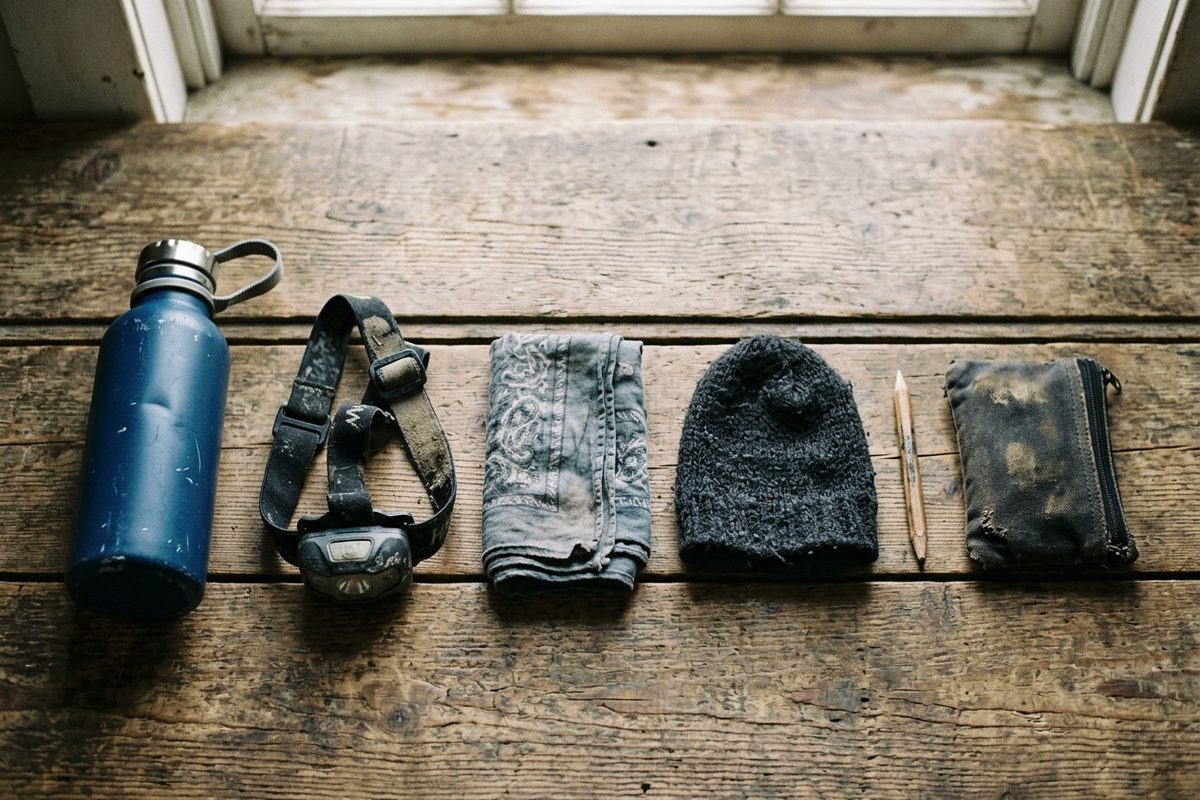
The useful version of a kit list is not what somebody would take. It is what somebody kept taking after the novelty wore off.
Below is what is in the bag now, after two summers, and then the things that came out of it. The second list is more useful than the first.
What is always in it
More water than the distance justifies. Two litres for a walk of two or three miles sounds absurd and is not. The walk out happens in cool air before dawn. The walk back happens in rising heat, later than planned, uphill more often than not, and that is when the dehydration you started with catches up. Every difficult moment in two years has been on the way back, and every one of them was thirst.
A head torch, and a spare light. Hands free matters more than brightness. The spare can be a phone, but a phone that has been the torch for forty minutes is a phone that is not a phone any more, and the whole point of carrying one is the case where something has gone wrong.
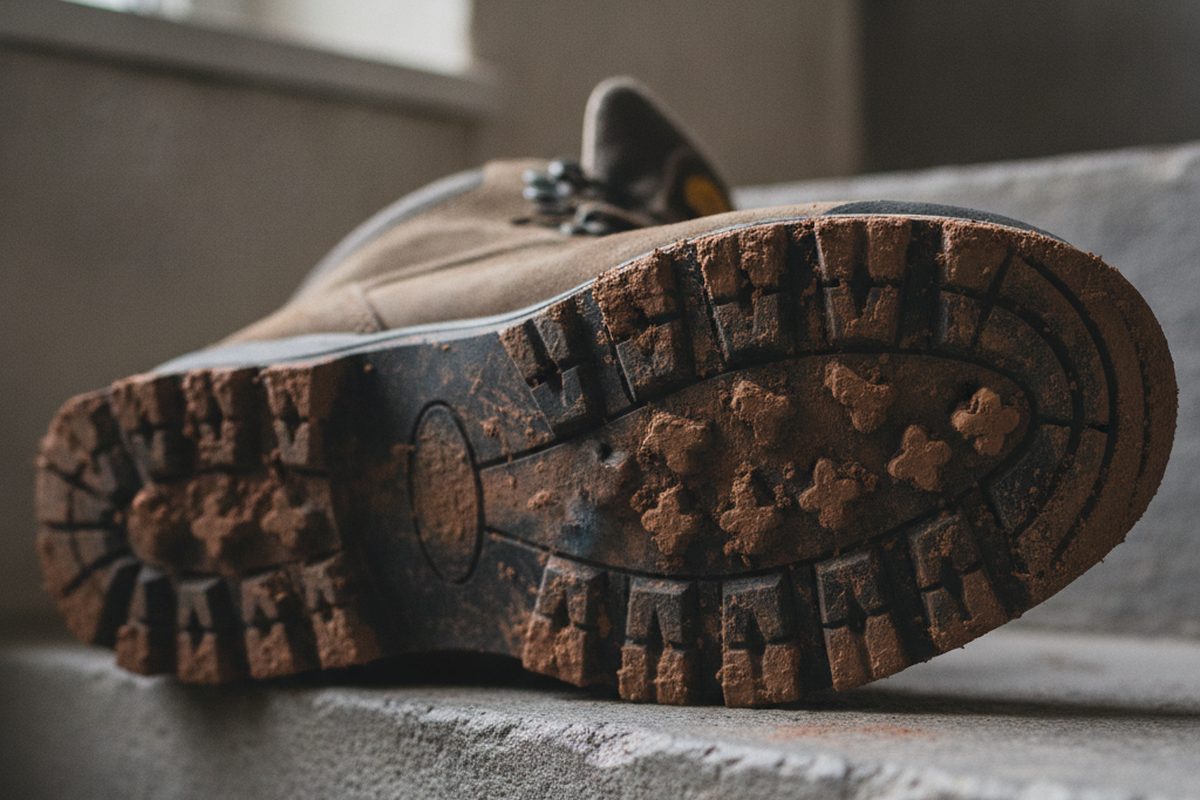
Footwear with real tread, and the willingness to ruin it. Wet red clay packs into a shallow sole and turns it into a skid. Deep lugs, and a boot you do not mind about. This is the single item most worth spending money on, because the river bank account describes the way a morning here actually goes wrong, and it is underfoot.
Something warm, even in July. A river bottom at five in the morning in Georgia is cool enough to matter once you stop moving, and standing still is most of the activity. A thin layer that packs to nothing.
A dry bag or a plastic sack. Not for rain. For dew, which soaks a bag left on the ground, and for the water condensing on everything you carry from cold air into warm.
Two cloths. One for the lens, one for everything else. Both will be wet within an hour. See the note on damp for why one is never enough.
Food you will actually eat at seven. Made the night before. Something with salt in it.
Paper and a pencil. Covered at length elsewhere. The short version is that pens fail in damp and phones fail in cold and bright light at once.
What came out of the bag
A tripod, most of the time. Carried religiously for one summer. Used perhaps a fifth of the mornings. In the fog on the river, where the light is soft and the subject is drifting, it slowed everything down and produced nothing that could not be had by bracing against a tree. It goes now only when there is a specific reason, which in practice means one trip in five.
A second camera body. Weight without benefit, on foot, for a hobbyist. A second battery does the actual job it was supposedly there for.
Filters, mostly. One stays. The rest were an answer to a problem that does not occur at this hour, since the whole point of being out at six is that the light is already doing the work.
A large flask of coffee. Replaced by a small one. The large one meant carrying a litre of liquid that is no use for hydration and made the water situation worse rather than better.
Insect repellent, in the wrong form. The spray tin is heavy, leaks and coats everything in the bag. The wipes weigh nothing. In a river bottom in June you will want them within four minutes of stopping.
A folding stool. Carried once. Sat on never. The mornings when you would want to sit are the mornings when you should be walking.
Two summers reduced a full bag to about half of one. Every item removed was removed because it was carried unused for a season, not because of any principle.
Two things worth adding that are not equipment
A charged phone, kept charged. Not for use, for the case where you need it. In a gorge or a river corridor there may be no signal at all, which is an argument for telling somebody your plan before you leave rather than for carrying more electronics.
A written plan in the car. Where you went, which trail, when you expect to be back. Left on the seat. It costs nothing and it is the only item on this list that helps after something has already gone wrong.
Weight, in the end
The whole load sits around fifteen pounds with water, and water is more than half of it. That is light enough to walk three miles before breakfast and heavy enough that you notice on the climb back out.
The temptation is always to add rather than remove, because every item has a morning it would have been useful. The test that worked was simple: anything not used for a whole season came out, and if a season later I had not missed it, it stayed out. Almost nothing has gone back in.
- Filed under
- Practice
- Where
- Georgia and the southern Appalachians
- Hour
- Applies from 4:00 onward
- On foot
- Whatever you are willing to carry
- Written by
- Cass Ledbetter
Nothing here is sold. No fee was taken for any place named on this page.